Is Exercise Healthy? 8 Fitness Myths and What's Really True
Exercise is one of the best things for your health — but plenty of myths get in the way. We clear up the biggest ones (no pain no gain, bulky women, the fat-burning zone, bad knees) and show how much movement really helps.

The short version: Exercise is healthy — that's well established. But plenty of myths surround it that discourage more than they help. What matters more than perfection is regularity: even two and a half hours of moderate movement a week plus some strength training goes a long way.
Few things do your body and mind as much good as regular movement. Yet stubborn myths persist: that it's useless without soreness, that strength training makes women bulky, or that running ruins your knees. This article shows what's actually true — factually, without finger-wagging and without scaremongering.
Good to know: the recommendations refer to physical activity in general — including walking, cycling, everyday trips and physical work, not just structured sport.
Why movement does you so much good
The benefits of regular movement are well documented and touch almost every system in the body.
Heart and circulation
Regular movement lowers the risk of cardiovascular disease and improves blood pressure and endurance.
Muscle and bone
Strength training preserves muscle mass and bone density — which matters more and more as you get older.
Mind and mood
Exercise can ease stress and tension and lift your mood. For many people that's the most noticeable effect.
Metabolism
Activity improves blood-sugar regulation and insulin sensitivity and supports a healthy body weight.
Sleep and energy
People who move regularly often sleep better and have more energy in everyday life.
Staying healthy longer
Regular physical activity is linked to a lower risk of dying early and more healthy years of life.

The biggest myths — and what's actually true
Myth 1
"No pain, no gain" — without soreness it's useless
What's actually true
Muscle soreness is neither required nor a measure of a good workout. Progress comes from regular, gradually increasing training, not from pain. Strong or sudden pain is more of a warning sign.
Myth 2
Strength training makes women "bulky"
What's actually true
Strength training won't suddenly make women bulky. Relative to their starting muscle, women and men build muscle similarly well. Because women start with less absolute muscle on average, the absolute gain is often smaller. A very muscular body takes years of dedicated training, regardless of sex.
Myth 3
Only long cardio in the "fat-burning zone" helps you lose weight
What's actually true
Whether you lose weight depends mostly on your overall energy balance. Strength and more intense sessions also burn calories and preserve muscle. At higher intensity the calorie burn per minute is often higher; how much you burn in total also depends on duration and volume. The rigid "fat-burning zone" is a misunderstanding.
Myth 4
Sweating means burning fat
What's actually true
Sweating is temperature regulation, not a measure of fat loss. The weight that's "gone" right after exercise is mostly water and comes back once you drink.
Myth 5
Stretching before sport prevents injuries and soreness
What's actually true
Longer static stretching right before strength, sprint or jump efforts can briefly reduce performance. For general injury prevention, stretching alone isn't enough — a dynamic warm-up usually suits training better. Stretching won't reliably prevent muscle soreness. That doesn't mean stretching is bad.
Myth 6
Running ruins your knees
What's actually true
For most healthy people, moderate running isn't harmful to the knees — regular movement supports the function and resilience of the joints. What matters is gradual progression, enough recovery, and accounting for previous injuries or existing complaints.
Myth 7
I'm too old for sport
What's actually true
It's almost never too late. Even in older age, strength and endurance training improve health, strength, balance and independence. You just need to start gently and appropriately.
Myth 8
You can lose fat from one specific spot with exercises
What's actually true
Targeting fat loss at a single body part with local exercises doesn't work. The body loses fat as a whole. Ab exercises strengthen the muscles but don't specifically remove belly fat.
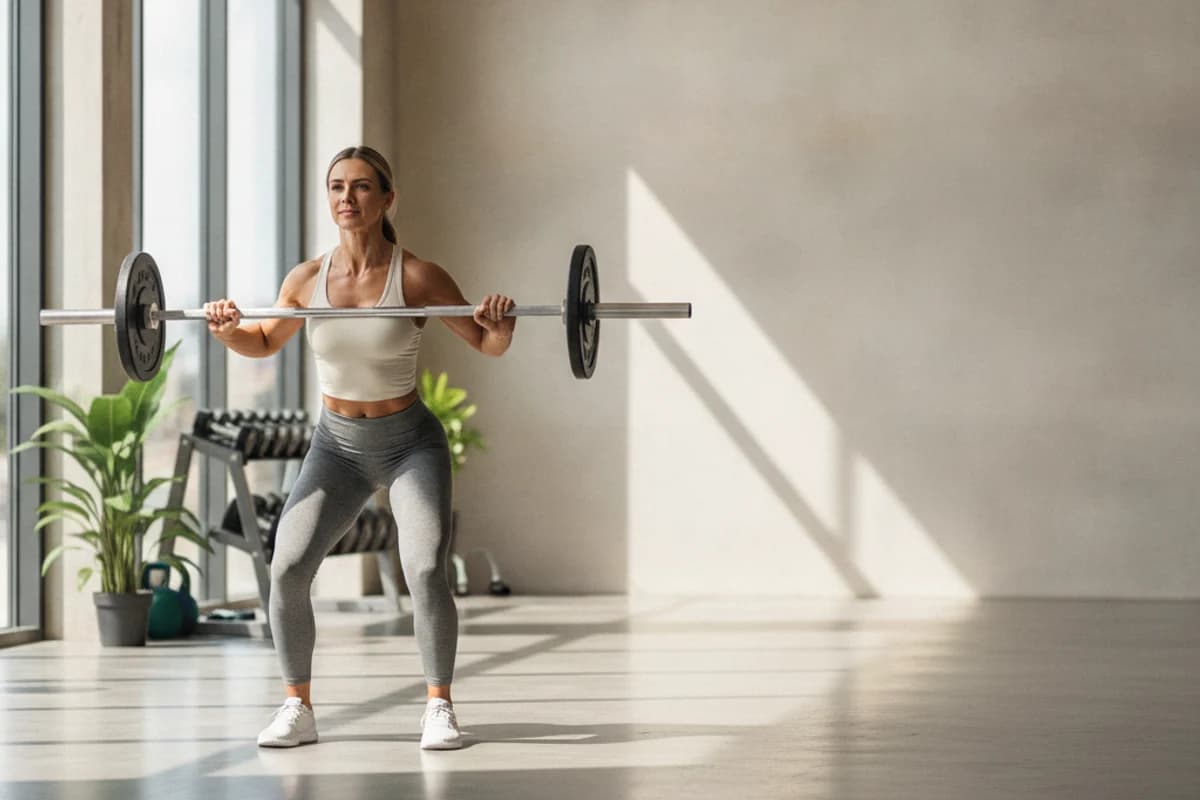
How much movement is enough?
You don't have to train for hours. The World Health Organization recommends an easily reachable range for adults:
150–300 min
moderate activity per week
or 75–150 min
vigorous activity per week
2×
strength training per week
WHO recommendation for adults. The Swiss activity recommendations point in the same direction. Every bit of movement counts — short bouts, taking the stairs and sitting less all help.
How to get started
- Start small: regularity beats perfection. Three short sessions a week are a good start.
- Pick something you enjoy: dancing, hiking, cycling, swimming or the weights room — you'll stick with it more easily.
- Use everyday life: stairs instead of the lift, short trips on foot or by bike.
- Combine endurance and strength: together they give the greatest health benefit.
- Plan for recovery and sleep: the body adapts and gets stronger during the rest periods.
- Progress slowly: raise volume and intensity step by step rather than all at once.
Frequently asked questions
Is exercise really healthy?
Yes — regular physical activity is one of the best things you can do for your health. It lowers the risk of many chronic diseases, supports muscle, bone and mental health, and is linked to a longer, healthier life. The key is regularity, not intensity.
How much exercise per week is healthy?
The WHO recommends adults do 150–300 minutes of moderate or 75–150 minutes of vigorous activity a week, plus muscle-strengthening on two or more days. But every bit of movement counts — start where you are and build up slowly.
Does strength training make women bulky?
No. Relative to their starting muscle, women and men build muscle similarly well; women just start with less absolute muscle on average, so the absolute gain is often smaller. A very muscular body takes years of dedicated training, regardless of sex.
Do I need to be sore for a workout to count?
No. Soreness is neither required nor a good measure of a workout. Progress comes from training regularly and gradually increasing the load. Strong or lasting pain is a warning sign, not a goal.
Is running bad for your knees?
Not for most healthy people. Moderate running isn't harmful to healthy knees, and regular movement supports joint function. Gradual progression, enough recovery and accounting for previous injuries matter more than avoiding running. Existing knee problems should be checked medically.
Am I too old to start exercising?
Almost never. Strength and endurance training improve health, strength, balance and independence at any age. Start gently, progress slowly, and see a doctor first if you have relevant health conditions.
Sources
- WHO: Physical activity (fact sheet)
- WHO guidelines on physical activity and sedentary behaviour (2020)
- Physical activity recommendations for Switzerland (hepa.admin.ch)
- Roberts et al. (2020): Sex Differences in Resistance Training — A Systematic Review and Meta-AnalysisOn muscle growth in women and men.
- Systematic review (2023): Running volume and knee osteoarthritisOn running and knee health.
- Systematic review (2024): Stretch-induced force deficitOn static stretching before exertion.
Bring movement into your everyday life
GetMyCoach builds you a training plan that fits your goal, your time and your level — and moves you forward step by step.
General information only: This article is general health and training information and is not medical advice. If you have a medical condition, are pregnant, are recovering from an injury or illness, or are unsure whether a form of exercise is appropriate for you, talk to a doctor or an appropriately qualified professional first.