What Is Clear Whey Isolate? And Is It Better Than Normal Whey?
Whey isolate as a clear, fruity drink, not a creamy shake — barely any fat, low lactose. What it's good for, whether it helps you lose fat, and when to drink it.
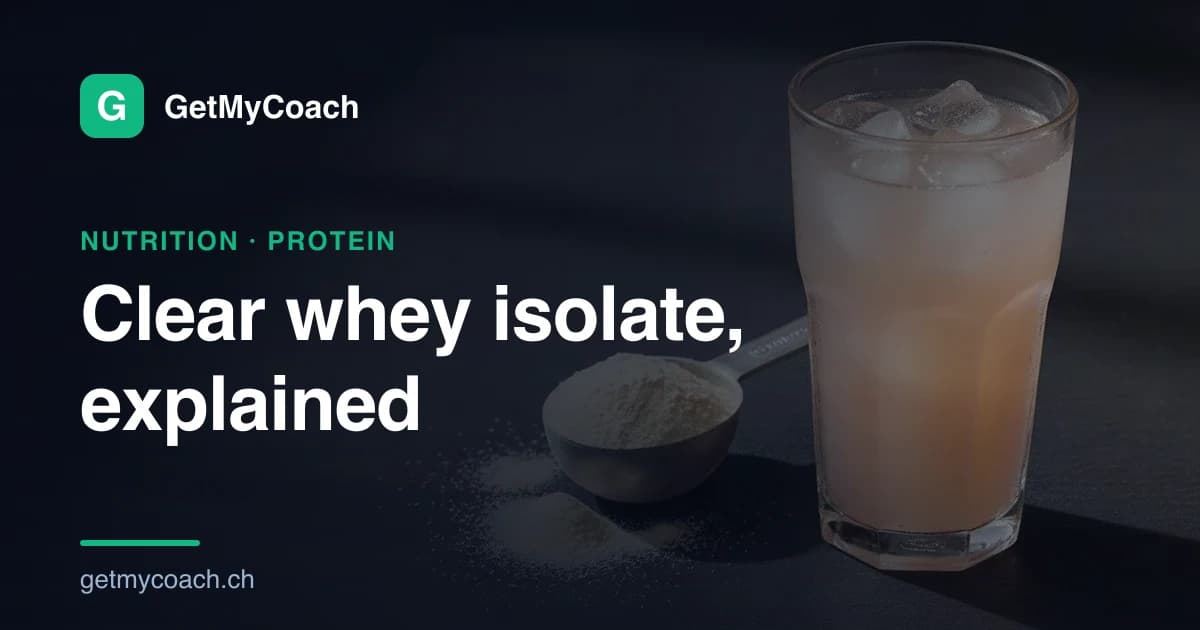
At first glance, clear whey isolate looks more like iced tea or a fruit drink than a classic protein shake. Yet it still delivers high-quality whey protein and can help you hit your daily protein target.
So what exactly is clear whey isolate? How does it differ from normal whey? And is the often higher price actually worth it?
The short version: Clear whey isolate is a clear-mixing protein powder based on whey isolate. You mix it with water, it usually tastes fruity, and it packs plenty of protein with very little fat, carbohydrate or lactose. For building muscle, though, it isn't automatically more effective than normal whey — the real difference is taste, texture and processing, not the result.
Clear whey isolate at a glance
Clear whey isolate is:
- a protein powder based on whey protein isolate,
- clear and thin rather than milky and creamy,
- usually fruity or refreshing in flavour,
- very high in protein,
- low in fat and carbohydrate,
- often low in lactose, but not automatically lactose-free.
What does clear whey mean?
The names clear whey, clear whey isolate and brand terms like IsoClear all describe protein powders that make a largely clear drink once mixed with water. Unlike a classic whey shake, the result doesn't resemble milk — it's closer to iced tea, fruit juice, lemonade or a light sports drink.
The protein source is normally whey protein isolate — heavily filtered whey. Clear whey isn't a brand-new kind of protein, then; it's a specially processed and flavoured version of whey isolate.
How is clear whey made?
Whey is a by-product of cheese-making. The whey left over contains protein, water, milk sugar, small amounts of fat and minerals.
To make whey isolate, the whey is filtered heavily, removing much of the fat, carbohydrate and lactose. For clear whey, the isolate is processed further so it mixes into a clear, thin drink with water. Fruit flavourings, acids, sweeteners, sometimes colourings, and solubility aids are usually added. The exact make-up varies by manufacturer and flavour.
The difference from normal whey
Normal whey protein is usually drunk as a creamy shake. Clear whey makes a clear, fruity drink instead.

| Property | Clear whey isolate | Classic whey |
|---|---|---|
| Protein source | usually whey isolate | usually concentrate or isolate |
| Texture | clear and thin | creamy and milky |
| Flavour | fruity, tart | chocolate, vanilla or creamy |
| Mixing | usually with water | water or milk |
| Fat | usually very low | a little more, depending on product |
| Carbohydrate | usually very low | a little more, depending on product |
| Lactose | often strongly reduced | usually more in concentrate |
| Price | often higher | usually cheaper |
| Muscle building | very well suited | very well suited |
For training results, this difference is usually small. Both products can deliver high-quality protein.
Is clear whey better for building muscle?
Not automatically. Clear whey isolate supplies all the essential amino acids and usually plenty of leucine, which plays a key role in muscle protein synthesis. But so does classic whey protein.
For building muscle, the factors that actually matter are:
- regular strength training,
- progressive overload,
- enough total protein,
- enough calories and nutrients,
- recovery and sleep.
When two products deliver a comparable amount of high-quality protein, clear whey won't drive more muscle growth just because it's clearer or pricier. The practical upside is simpler: some people would rather drink a fruity beverage than a creamy shake.
How much protein is in clear whey?
A serving typically contains roughly 20 to 25 grams of protein, depending on the product. The exact figure depends on serving size, protein content, flavour and added ingredients.
When comparing products, don't look only at the per-serving numbers — manufacturers define different serving sizes. It's more useful to compare protein per 100 grams, protein per serving, calories per serving, and price per 100 grams of protein. For how much you actually need, see our protein guide.
Low in calories — and for losing weight?
Because whey isolate is heavily filtered, clear whey is usually very low in fat, carbohydrate and sugar, with a high protein share. A serving therefore delivers relatively few calories. That makes it appealing if you want plenty of protein while dieting without adding many calories.

Even so, it's not a weight-loss product or a fat burner. Clear whey can support a diet because protein helps preserve muscle mass, keeps you fuller and makes planning protein-rich meals easier. But a protein shake doesn't create a calorie deficit on its own: if you drink clear whey on top of your usual diet without cutting calories elsewhere, your intake can even go up. Fat loss only happens when you take in less energy than you burn over time.
Lactose: low-lactose isn't lactose-free
Because clear whey is usually made from whey isolate, it typically contains far less lactose than whey concentrate. Small amounts can still remain, though — low in lactose does not automatically mean lactose-free. If you're strongly lactose intolerant, check whether the specific product is explicitly labelled lactose-free.
Digestive discomfort can also come from other ingredients — sweeteners, acids, large servings or a very concentrated mix. If you react sensitively, start with a smaller portion.
Is clear whey easier to digest?
Many people find clear whey lighter and more refreshing than a creamy protein shake. That doesn't automatically make it easier on everyone's stomach, though. Tolerance depends on the amount of lactose, the sweeteners and acids used, the serving size and your own digestion. The fruity acidity in particular can be uncomfortable if you have a sensitive stomach. So a creamy whey isn't inherently harder to digest, and clear whey isn't automatically gentle on the gut.
Who is clear whey a good fit for?
If you don't like creamy shakes
If milkshakes and vanilla or chocolate protein aren't for you, clear whey may be more enjoyable.
On warm days
A chilled clear whey is often more refreshing in summer than a thick, creamy shake.
While dieting
Clear whey delivers plenty of protein for few calories — handy when you want to hit your protein target in a deficit.
After training
After a hard session, some people prefer a light drink to a heavy, creamy meal.
With low lactose tolerance
Whey isolate often has less lactose than concentrate. You still have to test your own tolerance.
Who is it less worth it for?
Clear whey isolate isn't necessarily the best choice if you tolerate normal whey well, want the cheapest possible protein powder, prefer creamy shakes, react sensitively to acids, or already cover your protein needs easily through food.
For most people, a good whey concentrate is perfectly adequate. Clear whey's higher price mainly buys the special processing, the clear texture and the taste experience — not stronger muscle growth.
When should you drink clear whey?
You can drink clear whey at any time of day. Common moments are after training, between meals, on the go, to top up a low-protein breakfast, during a diet, or chilled on warm days.
A shake doesn't have to be drunk the moment you finish your last set. What matters more is getting enough protein across the whole day — a normal protein-rich meal after training works just as well.
How to prepare clear whey properly
Clear whey often foams a lot when shaken. That's normal.

A typical preparation:
- Add water to the shaker.
- Add the powder.
- Shake well.
- Let it rest for a few minutes.
- Wait until the foam has settled.
- Drink chilled.
Depending on the product, around 400 to 600 millilitres of water per serving is usually recommended. More water makes the drink less sweet, less tart and more refreshing; less water makes it more intense.
Can you mix clear whey with milk?
Technically it's sometimes possible, but usually not a good idea. Clear whey is designed to be mixed with water. With milk the texture can turn odd, and the fruity, tart flavour often doesn't fit. For milk or plant drinks, a classic whey is usually the better choice.
Is clear whey healthy?
Clear whey is primarily a processed food for topping up your protein intake. For healthy adults, a protein shake in normal amounts is usually unproblematic. Still, protein powder shouldn't form the foundation of your diet.
Whole foods also supply vitamins, minerals, fibre, healthy fats and plant compounds. Good protein sources include yoghurt and quark, eggs, fish, meat, pulses, tofu and tempeh, soy products and seitan. Clear whey should complement your diet, not replace it.
People with kidney disease, metabolic conditions or a milk-protein allergy should clear its use medically first.
What to look for when buying
- Protein content: check how much protein there is per 100 grams and per serving.
- Ingredient list: clear whey often contains flavourings, sweeteners and acids. The shorter the list, the easier the product is to judge.
- Sugar: many products contain almost no sugar, but not all — the nutrition table tells you.
- Lactose: if you're intolerant, look for an explicit lactose-free label.
- Flavour: clear whey can taste strongly sweet or tart, which often decides whether you'll use it regularly.
- Price per gram of protein: work out what you pay for the protein actually inside, not just the pack price.
The drink is the flourish — the plan is the work
No protein powder replaces a good training plan. GetMyCoach builds your plan around your goal and your sport so training, nutrition and recovery line up — then you can decide, calmly, whether you want it creamy or clear.
Frequently asked questions
Is clear whey the same as whey isolate?
Not quite. Clear whey is usually made from whey isolate, but whey isolate is also sold as a creamy shake. Clear whey mainly describes the clear, fruity way it's prepared.
Is clear whey better than normal whey?
For building muscle, usually not. Clear whey may suit you better if you prefer a clear, fruity drink or want as little fat, carbohydrate and lactose as possible. But normal whey is often cheaper and just as effective when protein amount and quality are comparable.
Is clear whey lactose-free?
Not necessarily. Because clear whey is usually whey isolate, it has far less lactose than concentrate, but small amounts can remain. If you're strongly lactose intolerant, choose a product explicitly labelled lactose-free.
Is clear whey vegan?
No. Whey comes from milk. Vegan alternatives are made from pea, soy or rice protein, for example.
Can you drink clear whey every day?
In principle yes, as long as you tolerate it well and it fits your diet. A daily shake isn't necessary, though, if you already cover your protein needs through normal food.
Does clear whey help with weight loss?
Only indirectly. Clear whey provides plenty of protein for few calories and can support a diet — but weight loss comes from a calorie deficit, not the product itself. What matters is how clear whey fits into your overall diet.
The bottom line: a refreshing protein source
Clear whey isolate is a clear-mixing protein powder, usually based on whey isolate. It delivers plenty of high-quality protein, contains little fat and carbohydrate, and turns into a fruity drink with water. It's especially handy for people who don't like creamy shakes, want a low-calorie protein source, prefer something refreshing in summer, or don't tolerate normal whey concentrate well.
For building muscle, though, clear whey offers no fundamental advantage over normal whey. What decides your results is your total protein, your training, your nutrition and your recovery.
GetMyCoach tip: Choose clear whey because you prefer the taste and texture — not because it supposedly works harder. If you tolerate and enjoy normal whey, there's no need to switch to the pricier clear version.
Last updated: July 2026. This article is general nutrition and training information, not medical advice. If you have a milk-protein allergy, lactose intolerance, kidney or metabolic disease, are pregnant, or take medication, seek individual advice before using protein powder regularly.
Sources
- Jäger et al. (2017): ISSN position stand — protein and exercise, on whey, leucine and protein quality
- Witard et al. (2014), American Journal of Clinical Nutrition: myofibrillar protein synthesis in response to increasing doses of whey — the 20 g plateau behind a normal serving
- Aragon and Schoenfeld (2013), J Int Soc Sports Nutr: nutrient timing revisited — you do not need the shake within 30 minutes of the last set
- EFSA (2010): Scientific Opinion on lactose thresholds in lactose intolerance and galactosaemia — why “low in lactose” is not “lactose-free”
- EFSA (2012): Scientific Opinion on Dietary Reference Values for protein