High-Protein Quark Alternatives: Skyr, Yogurt, Cream Quark & Co. Compared
Skyr, Greek yogurt, cottage cheese, half-fat and cream quark or vegan options — how the best quark alternatives compare on protein, fat and calories, and which one fits your goal.
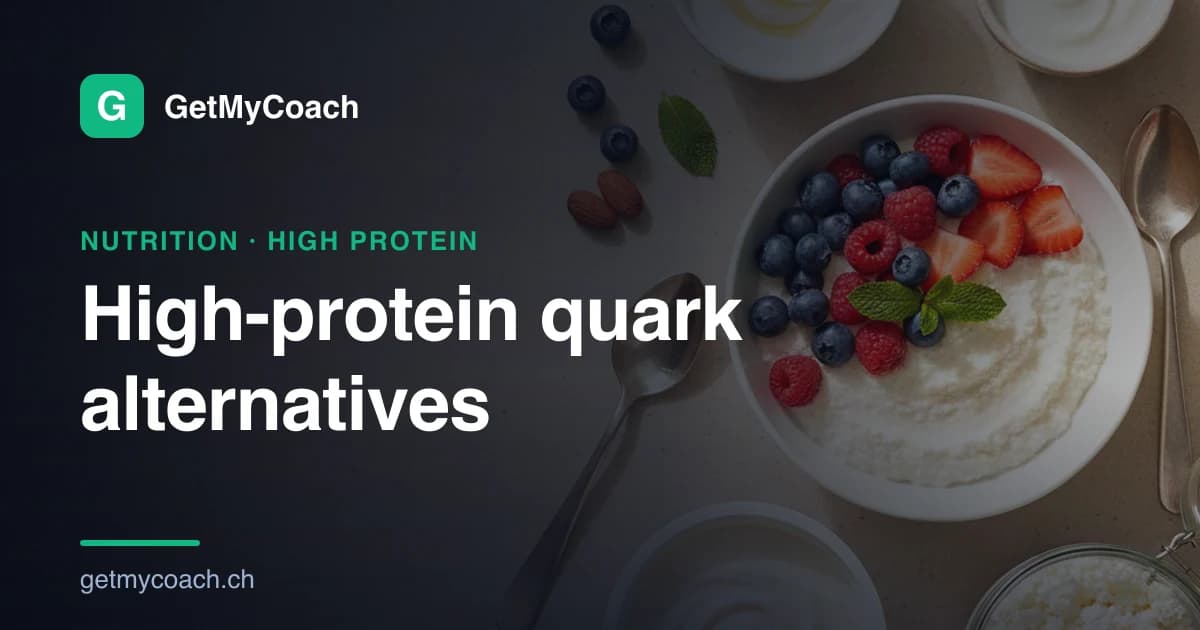
Quark is one of the most popular foods for a high-protein diet. Low-fat quark (magerquark) in particular delivers a lot of protein, keeps you full for a long time and is comparatively cheap. But not everyone likes its firm, sometimes dry texture.
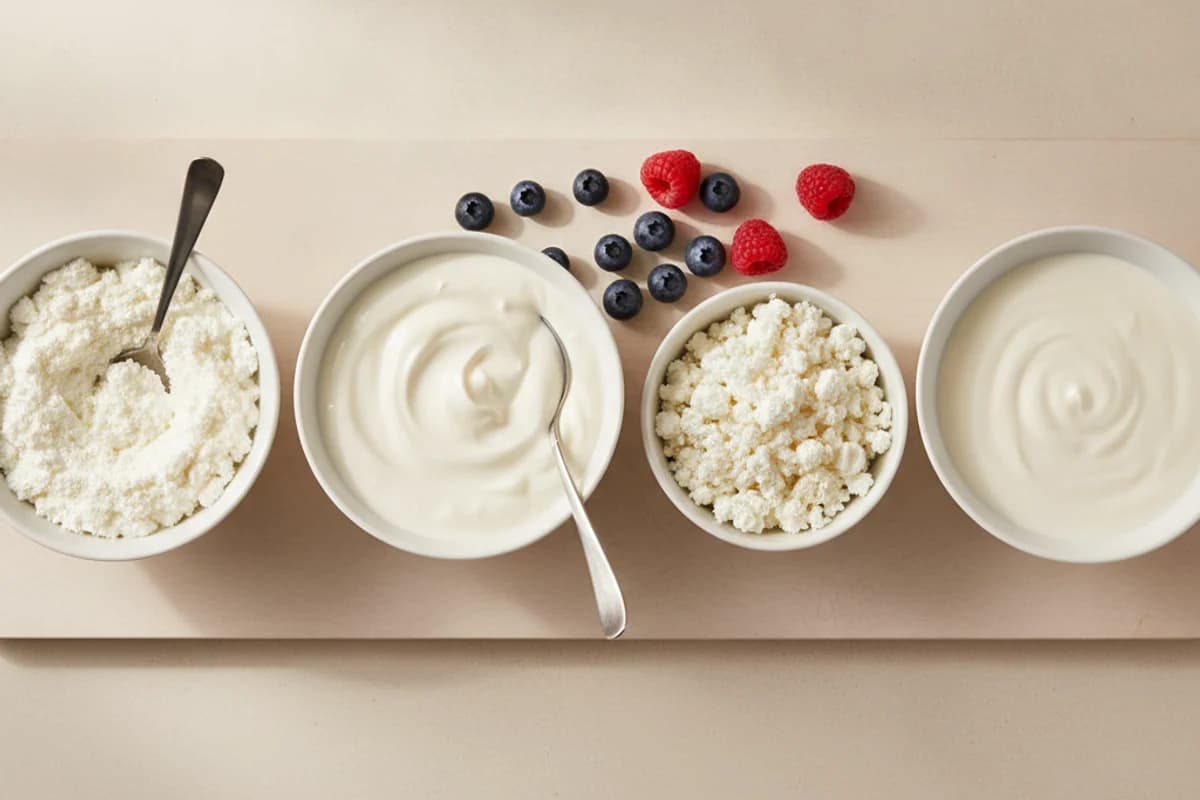
The good news: there are plenty of alternatives. Skyr, Greek yogurt, half-fat quark, cream quark, cottage cheese and plant-based protein products all differ noticeably in protein, fat and calories. This comparison shows you which alternative best fits your goal.
The short version: Low-fat quark is still the winner on protein per calorie. Skyr is almost as high in protein but creamier. Half-fat quark and Greek yogurt with 0–2 % fat are the best compromise between taste and nutrition. Full-fat quark, cream quark, ricotta and mascarpone carry far more calories thanks to the fat and are better suited to desserts. For a vegan diet, soy skyr and protein-enriched soy yogurts are the best choice. Always look for at least eight to ten grams of protein per 100 grams.
Quark, skyr and yogurt compared
The values below are approximate, per 100 grams. They vary by brand, recipe and fat level — the nutrition table on the packaging is what decides.
| Product | Protein | Fat | Calories | Notes |
|---|---|---|---|---|
| Low-fat quark (magerquark) | 11–13 g | 0–1 g | 65–75 kcal | Lots of protein for very few calories |
| Cottage cheese, light | 12–14 g | 1–4 g | 70–100 kcal | High protein, grainy texture |
| Skyr, plain | 10–11 g | 0–1 g | 60–70 kcal | Creamier than low-fat quark |
| Greek yogurt 0 % | 9–11 g | 0–1 g | 55–70 kcal | Creamy and low in calories |
| High-protein yogurt | 8–11 g | 0–3 g | 60–90 kcal | Handy for on the go |
| Half-fat quark | 8–10 g | 4–6 g | 90–120 kcal | Creamier and milder |
| Greek yogurt 2 % | 8–10 g | 2–3 g | 70–90 kcal | A good compromise |
| Soy skyr / soy high protein | 5–8 g | 2–4 g | 60–100 kcal | Good vegan alternative |
| Full-fat quark | 7–9 g | 8–12 g | 130–180 kcal | Filling and very creamy |
| Greek yogurt 5 % | 7–9 g | about 5 | 90–120 kcal | Creamy and still high in protein |
| Ricotta | 7–9 g | 9–13 g | 140–180 kcal | Mild, good for baking |
| Cream quark (rahmquark) | 6–8 g | 15–20 g | 190–260 kcal | Especially creamy |
| Greek yogurt 10 % | 5–7 g | about 10 | 120–160 kcal | Full flavour, but lower protein density |
| Plain yogurt | 3–5 g | 1–4 g | 45–75 kcal | Runnier, and lower in protein |
| Kefir | 3–4 g | 1–4 g | 45–70 kcal | Good to drink or in muesli |
| Soy yogurt, plain | 3–5 g | 2–4 g | 45–80 kcal | Vegan; protein depends on the brand |
| Coconut yogurt | 1–2 g | 8–20 g | 100–220 kcal | Creamy, but barely any protein |
| Crème fraîche | 2–3 g | 25–35 g | 250–350 kcal | Not a sensible protein swap |
| Mascarpone | 3–5 g | 35–45 g | 350–450 kcal | A dessert product more than a protein source |
Low-fat quark: the protein and value winner
Low-fat quark remains one of the best foods when you want as much protein as possible for as few calories as possible. A 250-gram portion delivers roughly 28 to 32 grams of protein depending on the product — with virtually no fat. That's exactly why it keeps turning up in our high-protein recipes and our supermarket lunch guide.
The downside is its firm, sometimes dry texture. That's easy to fix:
- stir in a little water or milk
- mix it with skyr or yogurt
- add berries or a banana
- whip it smooth with whey and a splash of liquid
Skyr: the more pleasant alternative to low-fat quark
Skyr is very similar to low-fat quark, but usually smoother and nicer to eat. It has slightly less protein, but it's especially good for quick snacks and desserts.
Skyr goes well with:
- fruit
- oats
- whey
- nuts
- honey or calorie-free sweeteners
For many people, skyr is therefore the best direct quark alternative.
Half-fat quark: the best compromise
Half-fat quark has slightly less protein and more calories than low-fat quark. In return it's noticeably creamier and often nicer to eat.
It's a good choice when you:
- don't need to count every single calorie
- want a filling snack between meals
- find low-fat quark too dry
- want to make a creamy spread or dip
Half-fat quark is by no means unhealthy. The higher fat content simply makes it more energy-dense.
Full-fat quark and cream quark
Full-fat quark and cream quark are often sold as the richest varieties. They still contain protein, but the higher fat content makes them much higher in calories. Cream quark can be well over 200 calories per 100 grams.
These varieties are especially suited to:
- desserts
- cakes and baking recipes
- creamy sauces
- particularly filling meals
- people with higher calorie needs
For a calorie-controlled diet they're less efficient than low-fat quark, skyr or low-fat Greek yogurt.
Greek yogurt: watch the nutrition label
Greek yogurt is often especially creamy and, depending on the product, high in protein. But there are big differences. A Greek yogurt with 0 or 2 percent fat can be a very good protein source. Products with 5 or 10 percent fat contain more calories but usually taste fuller.
It's also important to know the difference between:
- Greek yogurt
- Greek-style yogurt
Greek-style yogurt isn't automatically high in protein. Some products mainly contain added cream or more fat. So always check the nutrition table. A good product ideally delivers at least eight to ten grams of protein per 100 grams.
Cottage cheese as a quark alternative
Cottage cheese is one of the most protein-rich dairy products. It's especially good for savoury meals.
You can use it for:
- bread and wraps
- salads
- scrambled eggs
- dips
- baked potatoes
- savoury bowls
For sweet dishes you can blend cottage cheese smooth. That gives you a smooth, quark-like texture.
High-protein yogurt and protein pudding
High-protein products are convenient, already portioned and usually pleasantly creamy. They often deliver about 15 to 25 grams of protein per pot.
However, they're usually more expensive than low-fat quark or skyr. Some products also contain a lot of sweeteners, flavourings or other additives. They're mainly a convenient solution for on the go, but not necessarily the cheapest everyday choice — much like protein bars and drinks.
The best vegan quark alternatives
Ordinary plant-based yogurts often contain far less protein than dairy. Coconut yogurt in particular usually has barely any protein.
Better options are:
- soy skyr
- high-protein soy yogurt
- lupin yogurt
- pea-protein yogurt
- blended silken tofu
With plant-based products, aim for at least five grams of protein per 100 grams. Many ordinary almond, oat or coconut yogurts don't reach that.
Which quark alternative fits which goal?
For the most protein at the fewest calories
- low-fat quark
- cottage cheese, light
- skyr
- Greek yogurt with 0 percent fat
- high-protein yogurt
For a creamier texture
- half-fat quark
- Greek yogurt with 2 to 5 percent fat
- full-fat quark
- ricotta
- cream quark
For a vegan diet
- soy skyr
- high-protein soy yogurt
- silken tofu
- lupin yogurt
- pea-protein yogurt
For baking
- low-fat quark
- half-fat quark
- full-fat quark
- ricotta
- Greek yogurt
- silken tofu
When substituting, remember that yogurt is usually runnier than quark. Depending on the recipe, you'll therefore need slightly less liquid or slightly more starch or flour.
A high-protein dessert with skyr and whey
A particularly simple high-protein snack is:
- 200 grams of skyr
- 20 to 25 grams of whey
- a little water or milk
- optionally berries, cinnamon or cocoa
Depending on the product, this combination delivers roughly 40 to 45 grams of protein for about 230 to 280 calories. If you're wondering which protein powder to use, we compared normal whey with clear whey (IsoClear).
A creamy quark-and-yogurt mix
If low-fat quark is too dry for you, you don't have to replace it entirely. A good mix is:
- 150 grams of low-fat quark
- 100 grams of Greek yogurt with 2 to 5 percent fat
That keeps the protein high while making the texture much creamier.
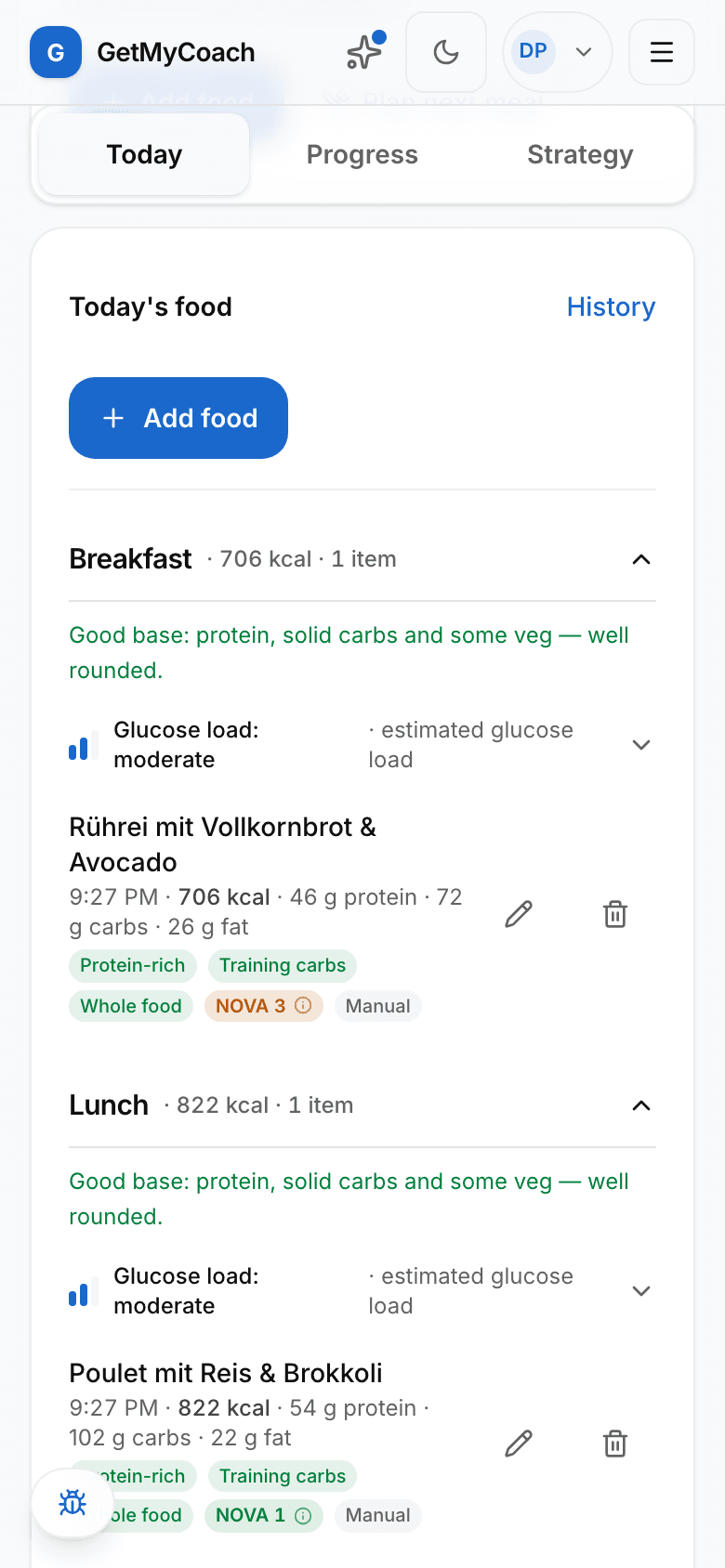
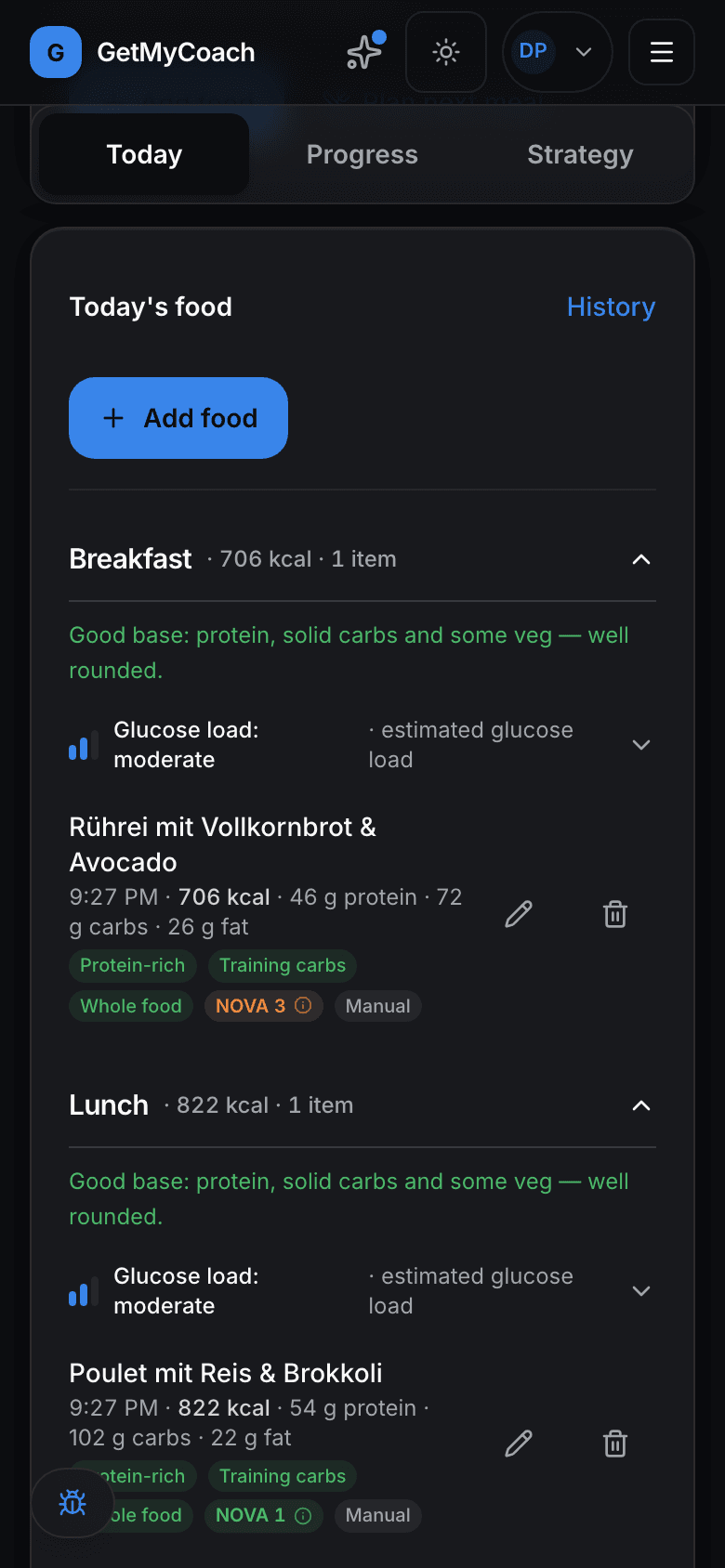
This is exactly what GetMyCoach is built for: the nutrition coach scores every meal for protein and food quality — so you can see at a glance whether your quark, skyr or yogurt really delivers enough protein, without carrying every nutrition table around in your head.
Frequently asked questions
Which quark alternative has the most protein?
For protein per calorie, low-fat quark and light cottage cheese lead, closely followed by skyr and Greek yogurt with 0 percent fat. All four deliver roughly 10 to 14 grams of protein per 100 grams with very little fat.
Is skyr better than low-fat quark?
It depends on your goal. Low-fat quark usually has slightly more protein and is cheaper; skyr is smoother and nicer to eat. For maximum protein density low-fat quark wins narrowly; for taste and texture, skyr is often the better direct alternative.
What is the best vegan quark alternative?
Soy skyr and protein-enriched soy yogurts are the best options, along with blended silken tofu, lupin yogurt or pea-protein yogurt. Aim for at least five grams of protein per 100 grams — most ordinary almond, oat or coconut yogurts don't reach that.
Is Greek yogurt high in protein?
It depends on the product. Real Greek yogurt with 0 or 2 percent fat is a very good protein source. "Greek-style yogurt", by contrast, isn't automatically high in protein — some versions mainly contain added cream. Always check the nutrition table and aim for at least eight to ten grams of protein per 100 grams.
Which quark alternative is best for baking?
Good options for baking are low-fat quark, half-fat quark, full-fat quark, ricotta, Greek yogurt and silken tofu. Because yogurt is runnier than quark, you'll need slightly less liquid or slightly more flour or starch depending on the recipe.
The bottom line
Low-fat quark remains one of the best options for a lot of protein at few calories. But it isn't automatically the best choice for everyone.
Skyr is creamier and almost as high in protein. Half-fat quark and Greek yogurt offer a good compromise between taste, protein and calories. Full-fat quark and cream quark are mainly worth it when taste, satiety or a higher calorie need matter more. For a vegan diet, soy skyr and protein-enriched soy yogurts are the best alternatives.
In the end, the highest protein figure isn't the only thing that counts. The best alternative is the one that fits your calorie needs, your taste and your everyday life.
GetMyCoach tip: Instead of doing the maths on every pack, let the coach keep an eye on your protein and your meals — it sets your calorie and protein target and tells you what to eat next.
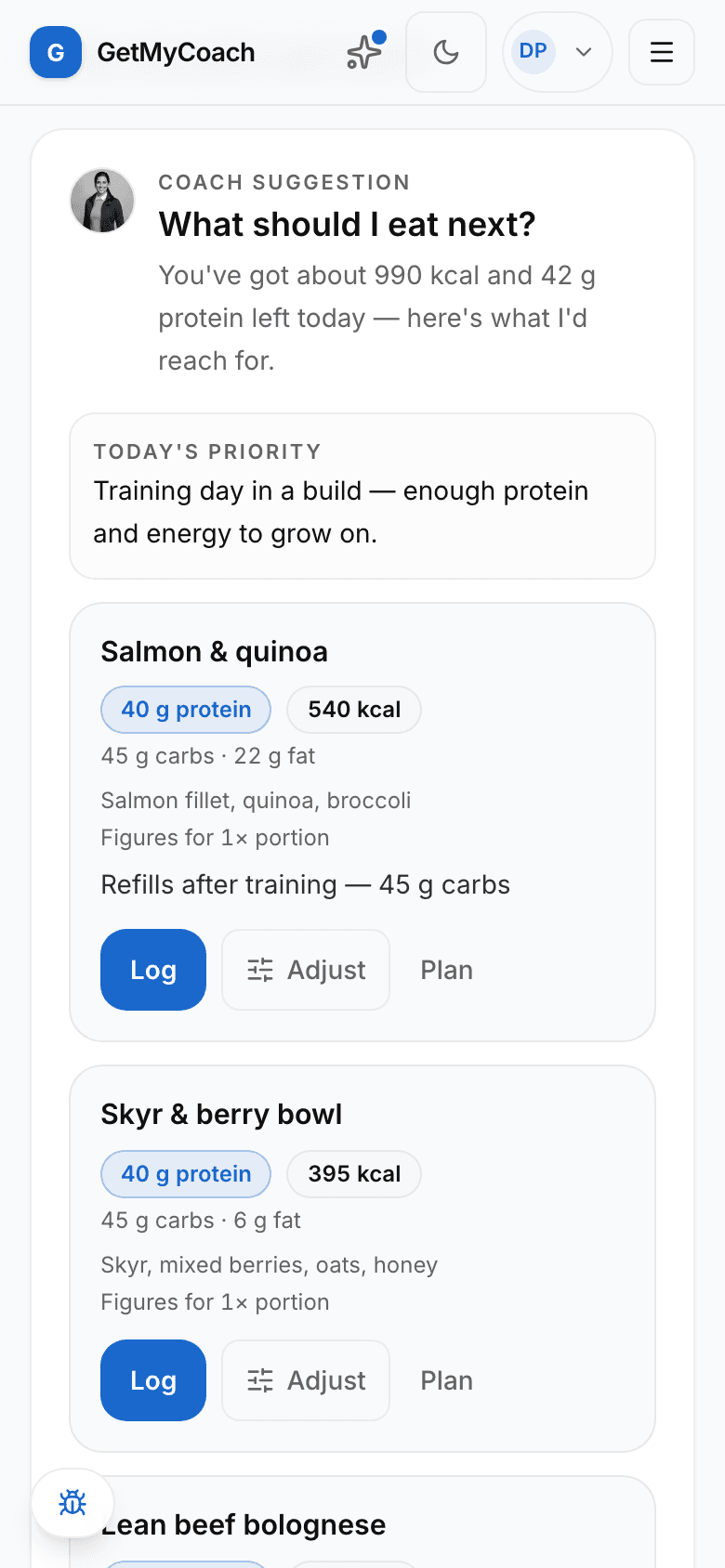
See how the nutrition coach works in detail. You don't need a training plan for it — you can use the nutrition coach on its own.
Stop doing the maths on every pack
Set the protein target once and the coach keeps score across the day, then names the next meal. It works on its own — no training plan needed.
Last updated: July 2026. This article is general nutrition and training information, not medical advice. The nutrition figures are typical approximate values and vary by brand, fat level and portion. If you have a milk-protein allergy, lactose intolerance or a medical condition, get individual advice before making big changes to your diet.
Sources
- Swiss Food Composition Database (BLV): the protein, fat and energy figures per 100 g for quark, skyr, cottage cheese, yogurt and the rest of the table
- Jäger et al. (2017): ISSN position stand — protein and exercise (20–40 g of high-quality protein per meal, and why dairy protein qualifies)
- Morton et al. (2018), British Journal of Sports Medicine: how much daily protein actually improves resistance-training gains
- EFSA (2012): Scientific Opinion on Dietary Reference Values for protein